
What to Clean After a Denver Home Renovation: A Room-by-Room Guide to Renovation Dust
Renovation dust in a Denver home is relentless, settling into every corner from drywall seams to hardwood floors. This room-by-room guide shows you exactly what to tackle first and how to get your home truly clean after a remodel.
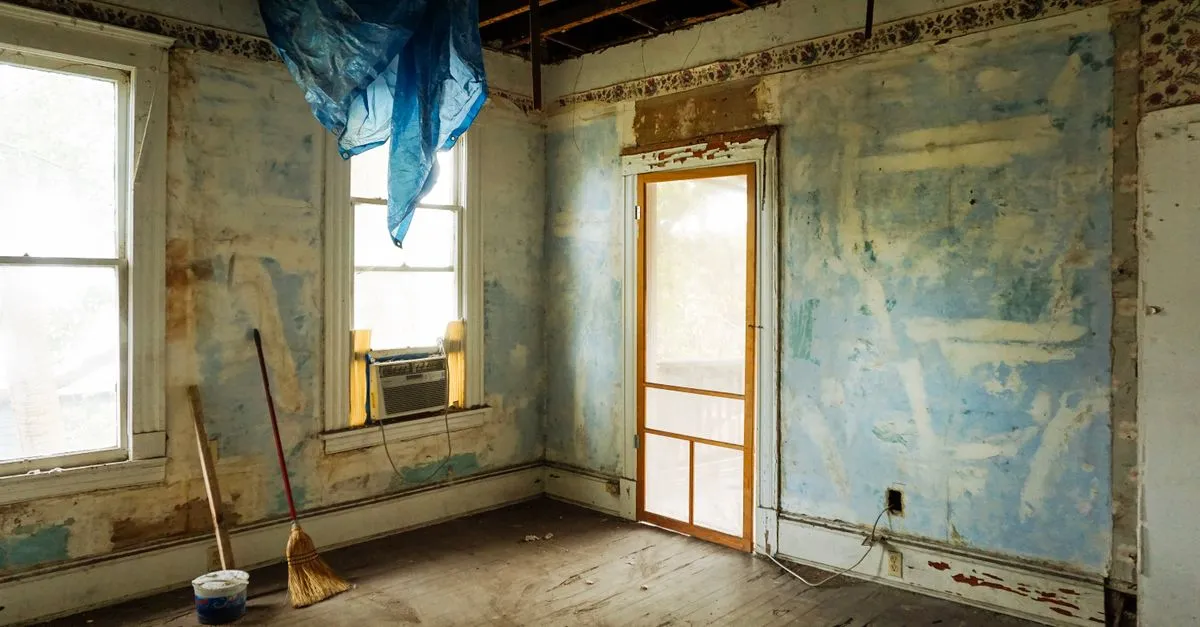
Why Renovation Dust in Denver Is a Bigger Problem Than You Think
If you just finished a remodel in Highlands Ranch, Wash Park, or an older craftsman bungalow in Berkeley, you already know the mess. Contractors pack up, the dumpster rolls away, and you are left staring at a fine gray film coating literally everything. That film is renovation dust, and it is not just drywall powder. It is a combination of drywall compound, joint compound, concrete particulate, wood dust, old insulation fibers, and sometimes original lead-based paint particles in Denver's pre-1978 housing stock.
Greater Denver compounds the problem in a couple of specific ways. Our semi-arid climate means low humidity, which keeps fine particles airborne far longer than in humid markets like Houston or Atlanta. Our older neighborhoods, from Congress Park to Edgewater to Arvada's Gold Strike district, have homes with original hardwood floors, plaster walls, and detailed wood trim that traps dust in every groove. And our range of housing stock, from 1920s bungalows to 1970s ranch homes to new-build Stapleton townhomes, means the surfaces you are cleaning vary dramatically.
Before you grab a wet mop and make things worse, read through this guide. Order matters. Cleaning products matter. And knowing which surfaces need professional attention versus elbow grease matters too.
Step 1: Let the Dust Settle, Then Ventilate
The instinct is to start cleaning immediately after the crew leaves. Resist it. Give the space 24 to 48 hours with windows open on a dry day to let airborne particles settle. Denver's low humidity actually helps here. Once the air clears, change your furnace filter before you run the system again. A clogged filter will recirculate dust throughout the house.
Note: Neat N Tidy does not service ductwork or air handling systems. For duct cleaning after a major renovation, contact a licensed HVAC contractor in the Denver metro area.
Step 2: Start High, Work Low (And Why Most Homeowners Get This Backwards)
Dust obeys gravity. If you vacuum your floors first and then wipe your window sills and upper cabinets, you will be vacuuming again. The correct sequence is always top to bottom, dry before wet.
- Upper cabinet exteriors and door tops
- Window sills and window frames
- Baseboards and door trim
- Countertops and appliance surfaces
- Floors last
In Denver homes with 8-foot ceilings or vaulted great rooms, the upper trim and crown moulding catch an enormous amount of dust. Use a dry microfiber cloth, not a feather duster, which just redistributes particles into the air.
Floors: The Hardest Surface to Get Right
Hardwood Floors
Denver's older neighborhoods are full of original Douglas fir and red oak hardwood floors. After a renovation, renovation dust packs into every groove between boards. Vacuuming first with a hard floor attachment is critical. Do not use a beater bar, which can scratch a finish. After vacuuming, dry mop with a microfiber pad before introducing any moisture.
When you do wet clean, use a barely damp mop. Denver's dry climate is actually an advantage here because floors dry quickly, reducing the risk of moisture warping the wood. Never use vinegar on polyurethane-finished hardwood. Despite what you may read online, it degrades the finish over time.
Tile and Grout
If your renovation included a new bathroom or kitchen tile installation, grout haze is the enemy. Grout haze is the thin film of dried grout residue left on tile surfaces after installation. It requires a dedicated grout haze remover, not a standard all-purpose cleaner. Scrub grout lines with a stiff brush before mopping.
Carpet
If any carpeted rooms were adjacent to the renovation zone, plan on vacuuming them at least twice in two separate passes. Renovation dust settles deep into carpet pile. A HEPA-filter vacuum makes a real difference here. After two thorough vacuuming sessions, consider whether the carpet needs a professional steam clean.
Countertops and Cabinets: Denver Kitchens and Baths Deserve More Than a Wipe-Down
Kitchen and bathroom renovations are among the most common projects in Denver's Sloan's Lake and Platt Park neighborhoods, where mid-century homes are being updated while owners preserve the original character. After cabinet replacement or countertop installation, dust gets inside cabinet interiors, on shelf surfaces, and along the inside edges of doors.
Do not forget:
- Inside cabinet interiors, including shelves and the interior door panels
- The tops of upper cabinets if they do not reach the ceiling
- Drawer interiors and drawer slides
- Under-cabinet surfaces, especially if pendant lighting was installed
For countertop materials, match your cleaner to the surface. Quartz and granite have different sensitivities. A damp microfiber cloth with mild dish soap is safe for nearly every countertop material for post-renovation dust removal.
Trim, Baseboards, and Doors: The Detail Work That Makes a Home Look Finished
Denver's older homes have beautiful wood trim. Craftsman-style door casings, wide baseboards, and wainscoting in homes from Berkeley to Curtis Park are a big part of what makes these neighborhoods desirable. They are also dust magnets after a renovation.
Use a damp microfiber cloth, wrung nearly dry, and wipe every linear inch of baseboard. Do not rush this. A 1,500 square foot ranch home in Lakewood or Centennial can easily have 400 linear feet of baseboard once you account for every room, hallway, and closet. Wipe window casings, door casings, and door tops. Check the tops of interior doors, which are almost always overlooked and almost always coated in dust.
Frequently Used Rooms: Where to Focus After a Whole-Home Renovation
Kitchen
After a kitchen remodel, wipe down appliance exteriors, the exterior of the refrigerator including the top, the range hood exterior, and the dishwasher control panel. Pull the range forward slightly and wipe the sides. Clean the sink basin and faucet hardware thoroughly before using them.
Bathrooms
After a bathroom renovation, renovation dust collects in the toilet tank rim, around the base of the toilet, along the tub surround edges, and inside the medicine cabinet. Clean the toilet thoroughly inside and out. Wipe mirrors with a glass cleaner after the dust is removed from surrounding surfaces or you will be cleaning fingerprint smears back into a dusty haze.
Bedrooms
If your project involved work adjacent to bedrooms, renovation dust finds its way through door gaps and down hallways. Wipe all hard furniture surfaces. Launder any bedding, curtains, or fabric items that were not sealed during construction.
Living Areas and Entryways
In Denver's open-plan homes, the living area often connects directly to a kitchen or dining space that was renovated. Wipe entertainment unit shelves, mantelpiece surfaces, and any decorative items before returning them to their places. Entryways collect tracked-in construction debris in addition to airborne dust.
When to Call in Post-Construction Professionals
A full renovation generates a volume of mess that surprises most homeowners. If your project was a full kitchen gut, a primary bathroom remodel, a basement finish, or any multi-room renovation, the scope of post-construction cleaning is genuinely significant. This is not a one-afternoon job.
Neat N Tidy offers post-construction cleaning for Denver-area homes, designed specifically for the kind of thorough, methodical clean that renovation dust requires. Our vetted, insured cleaners follow the correct top-to-bottom sequence, use the right tools for each surface type, and cover the details most homeowners miss after a project wraps up.
Keeping the Clean Going After the Chaos
One thing homeowners often find after a renovation is that their cleaning routine needs a reset. You have just invested in new surfaces, new finishes, or new flooring. Protecting that investment with consistent upkeep makes sense, and it is also when recurring professional cleaning pays for itself most clearly.
Recurring clients save 30 to 50 percent compared to one-time pricing, and a regular cadence of professional cleaning keeps renovation-quality surfaces looking their best long after the project is done. If you are in Arvada, Westminster, Lakewood, or anywhere across the Denver metro, you can learn more about ongoing home cleaning schedules in the Arvada area and find a frequency that fits your home and lifestyle.
A Quick Checklist Before You Call It Clean
- Furnace filter replaced before running system
- All surfaces wiped top to bottom, dry before wet
- Baseboards and door trim wiped in full
- Cabinet interiors and drawer interiors cleaned
- Floors vacuumed twice before any wet mopping
- Bathroom fixtures, toilet, and mirror cleaned
- Appliance exteriors wiped down in kitchen
- Fabric items and bedding laundered if exposed
- Final walkthrough: tops of doors, window sills, light switch plates
Renovation dust in a Denver home is stubborn, but it is manageable if you work systematically. Take your time, use the right tools for each surface, and do not hesitate to bring in professional help for the scope that a full remodel creates.
Frequently Asked Questions
Ready for a Cleaner Home in Denver?
Tell us about your home and we'll recommend the right service. Free quote in 60 seconds.
You're All Set!
We'll call you within 5 minutes.